A Practical Guide to Our Region

Franciacorta is an area of extraordinary beauty which stretches from the banks of Lake Iseo across gentle hills and evocative valleys embellished by ancient villages, medieval castles, patrician villas, churches and remote abbeys. It offers a wide selection of Michelin starred restaurant and high end local trattorias, spanning from tradition to modern cuisine. This wine region extends until Lake Iseo, one of the less chaotic, yet naturally genuine and unspoiled, lakes of northern Italy, where the Riva Shipyard was born. Discover our land by renting a vespa, a bike, or on the back of a horse.

All these activities are externalised and subject to availability from the respective companies.


IMG_6876.JPG

Winery Tours and Tastings
Franciacorta Wineries

If you love sparkling wines and you want to travel among modern wineries and beautiful landscapes, Franciacorta is the place for you. An area of extraordinary beauty which stretches from the banks of Lake Iseo across gentle hills and evocative valleys embellished by ancient villages, medieval castles, patrician villas, churches and remote abbeys.


Montisola-turismo-aumento-sfruttare-effetto-Floating-Piers.jpg

Lake Iseo and Monte Isola
European biggest in-lake island

Lake Iseo is the fourth largest lake in Lombardy, Italy, and is home to the largest in-lake island of Europe: Monte Isola, recently nominated the third “European Best Destination 2019”. Monte Isola can be reached through a network of ferry connection with regular schedules. Driving restrictions are currently enforced, with mopeds and bicycles only allowed on the island. An extensive grid of dedicated bike lanes and hiking trails span all over the island, reaching the peaceful fishing villages with lakeside cafés and the Madonna della Ceriola chapel, nested near the summit of the island. A circular trail of almost 9 km (6 mi) allows a complete tour of Monte Isola.


dueColombe_6.jpg

Michelin Star Restaurants
Great Cuisine variety

Franciacorta offers a great selection of haute cuisine options. The most renowned, inside an ancient hamlet recently restored, is Le Due Colombe, awarded One Michelin Star since 2008. The enviroment, atmosphere and the menù they all have the same central idea: the union between tradition and modernity. Chef Stefano Cerveni gastronomic proposal includes traditional Franciacorta and family recepies together with modern and creative inspirations. 


IMG_6968.JPG

Riding in the Vineyards
Franciacorta Tours

Discover the Franciacorta countryside in the saddle! The experience will last for a few hours where you will be surrounded by vineyards, olive trees and fields that make this view so unique and this experience so fun. The winemaking production systems will be explained during the ride.

This will be a regular horseback riding where we will walk and trot. No faste pace.


capitolium-brescia.jpg

UNESCO Heritage Site
Tempio Capitolino, Brescia

The Capitolium of Brixia or the Temple of the Capitoline Triad in Brescia was the main temple in the center of the Roman town of Brixia (Brescia). It is represented at present by fragmentary ruins, but is part of an archeological site, including a Roman amphitheatre and museum in central Brescia.

The temple was built in 73 AD during the rule of emperor Vespasian.


Museo-delle-Mille-Miglia_2.jpg

1000 Miglia Museum
The most famous historical race car

The race was established by the young Counts Aymo Maggi and Franco Mazzotti, apparently in response to the Italian Grand Prix being moved from their home town of Brescia to Monza. Together with a group of wealthy associates, they chose a race from Brescia to Rome and back, a figure-eight shaped course of roughly 1500 km — or a thousand Roman miles.

The first race started on 26 March 1927 with seventy-seven starters — all Italian — of which fifty-one had reached the finishing post at Brescia by the end of the race


Franciacorta & Lake Iseo

 
Montisola-turismo-aumento-sfruttare-effetto-Floating-Piers.jpg

Lake Iseo
Monte Isola

Lake Iseo is the fourth largest lake in Lombardy, Italy, and is home to the largest in-lake island of Europe: Monte Isola, recently nominated the third “European Best Destination 2019”. Monte Isola can be reached through a network of ferry connection with regular schedules. Driving restrictions are currently enforced, with mopeds and bicycles only allowed on the island. An extensive grid of dedicated bike lanes and hiking trails span all over the island, reaching the peaceful fishing villages with lakeside cafés and the Madonna della Ceriola chapel, nested near the summit of the island. A circular trail of almost 9 km (6 mi) allows a complete tour of Monte Isola.

 
vespa-rent-dolomiti-05.jpg

Rent a Vespa
Motolake Tour

Franciacorta is a land of endless emotions, an unconventional way to discover the wonders of Franciacorta is definitely to rent you own vespa and wonder around a land full of thousand-year old traditions where history and nature come together to offer a unique experience to those who want to explore it. You can either rent the vehicle that will lead you to discover a land that will never cease to amaze you; or you could easily book a tour with different routes designed to enhance Franciacorta, for an unforgettable experience.


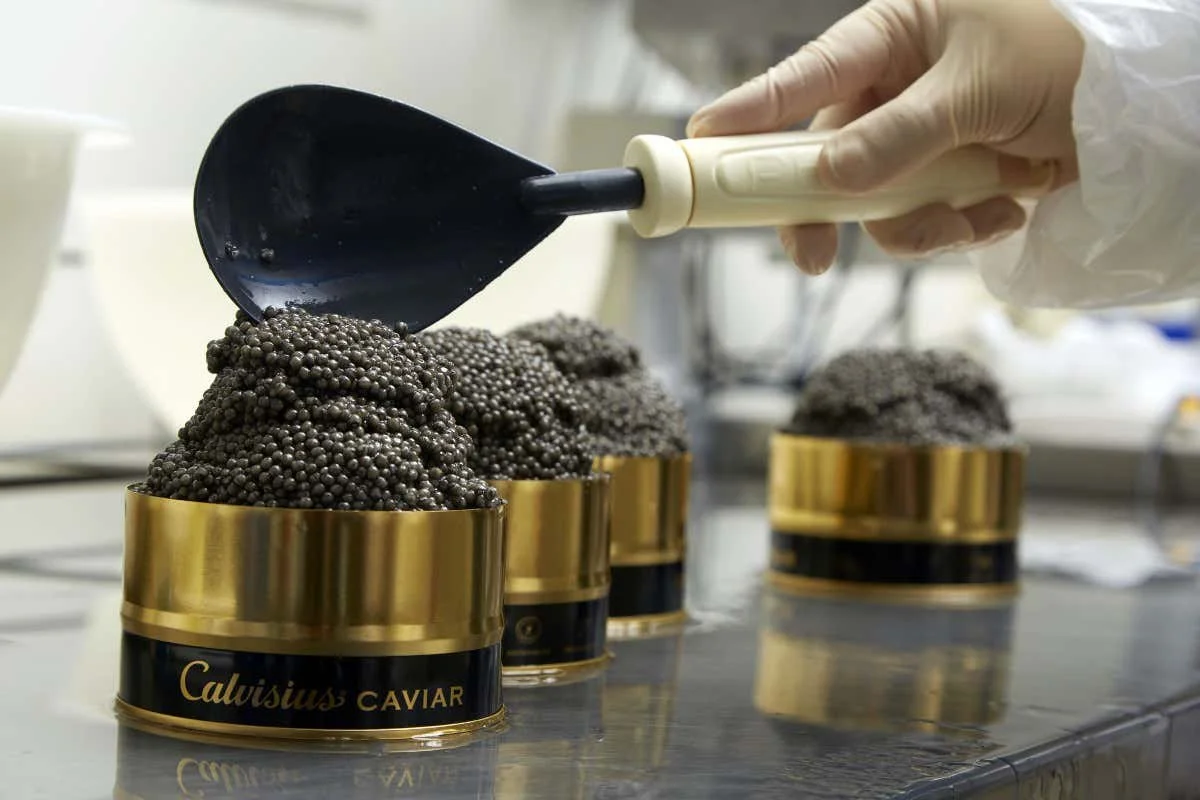
Local Caviar
Calvisius, Brescia

Calvisano is a charming village located in the Brescian plain, an area particularly rich in natural springs and groundwater sources. Its name derives from the Latin Calvisius, an ancient Roman nobleman and great lover of fine food.

The unique characteristics of the pure spring waters found in this area are at the heart of an exceptional ecosystem that ensures the authenticity and freshness of Calvisius Italian caviar, which has become one of the world’s most refined gastronomic delicacies.

franciacorta-golf-club-airview-photo.jpg

Golf Club
Franciacorta

The Franciacorta golf course captivates you through its fairways wonderfully embedded in the undulated terrain. Embedded in a former viticultural reserve surrounded by small lakes, creeks and old farms, golfing here becomes an experience of nature. The 18-hole golf course offers excellent playing conditions.

An outstanding feature: Each hole is truly unique. Wonderfully designed demanding holes with strategically placed bunkers and lots of water allow you to immerse in a very particular golf world.

Highlights: 18-hole golf course €60 per day from Monday to Friday, €85 per day on weekends.

 
7e1dc8b9134f1e90b7387fabc1f747cc_XL.jpg

Bike Rental
Iseo Bike

Would you explore Iseo Lake and Franciacorta region by bike? Iseo Bike rents out city bikes, mountain bikes, and Electric bikes, available to individuals, families and groups. Our bikes can be rented whether for just a few hours or some days. Rent your bike and choose between a self-guided cycling tour around the lake and one of the various itineraries that you can find detailed on this website. A mountain bike guide can lead you through off-the-beaten-track trails, enjoying breathtaking nature sceneries and landscapes.

Two wheels lovers can enjoy a beautiful itinerary among villages and vineyards along the Franciacorta Wine Route, suitable for everyone. Stop in a cellar for a visit and tasting of the renowned Franciacorta wine.

 
tdb_cupola-t-1024x768-3.jpg

Boario Terme
Beauty Thermal SPA

The Terme di Boario is the ideal place to reinvigorate both body and spirit. The Terme di Boario, its tradition and well-being culture represent a new way of being and to live which is dedicated to health and far from the rat-race and daily tensions. 
 
The 150 plus years of experience and the 5000 massages performed annually signify the excellence of our center.

slider-2.jpg

Riva Yacht
Shipyard

The Riva boatyard was established in 1842 on Lake Iseo, in Sarnico, in the heart of Franciacorta. It was a sudden and devastating storm, which irreversibly damaged the boats of the local fisherman, who were left shocked and powerless, that persuaded a young shipbuilder and craftsman to perform a true miracle and repair most of the crafts. This was the beginning of the legend of Riva and that of a man, Pietro Riva, who became the master of his own destiny. Lake Iseo was the place where the first boats signed Riva were launched and immediately stood out for their unmatched style and personality, Riva rapidly gained respect ad recognition.

 
timthumb.jpg

Torbiere del Sebino
Natural Reserve

The "Torbiere del Sebino" Nature Reserve is between Franciacorta and Lake Iseo, located on the south shore of Lake Iseo and is the most significant wetland in size and ecological importance in the province of Brescia. It covers an area of 360 hectares, mainly composed of reed beds and ponds surrounded by cultivated fields, roads and houses. The reserve is protected and any form of disturbance to wildlife and damage to vegetation is prohibited; it is also prohibited to enter with animals, throw garbage in the area and leave the indicated trails.

Highlights: The use of walking shoes is highly recommended

 
mkZD-lOV_village_slider_image_-main-.jpg

Outlet Village
Franciacorta

A fashion dreamland, a whole little village full of stores and restaurants in case you wish to spend a day spoiling yourself and updating your closet. Franciacorta Outlet Village is the favorite destination for all the fashion lovers. It offers the best items for women, men and children.

Day Trips to Unesco Sites & other Italian Wonders

 
Capitolium-4.jpg

UNESCO Tempio Capitolino
Brescia

The Capitolium of Brixia or the Temple of the Capitoline Triad in Brescia was the main temple in the center of the Roman town of Brixia (Brescia). It is represented at present by fragmentary ruins, but is part of an archeological site, including a Roman amphitheatre and museum in central Brescia.

The temple was built in 73 AD during the rule of emperor Vespasian. The prominent elevated location and the three identifiable cellae, each with their own polychrome marble floor, all help confirm that this temple would have represented the capitolium of the town, that is the temple dedicated to the Capitoline Triad of Jupiter, Juno and Minerva. The Capitolium replaced an earlier set of temples, a "Republican Sanctuary", consisting apparently of four discrete temples that had been erected around 75-90 BC, and refurbished during the reign of Augustus.

The three cellae of the capitolium have been rebuilt, and the walls of the left cella are used as a lapidarium to display local epigraphs found during the 19th centuries. In front of the cellae, are the partially reconstructed remains of a portico, which was composed of Corinthian columns that supported a pediment with a dedication to the Emperor Vespasian.

 
Screen Shot 2019-04-15 at 06.33.40.png

UNESCO Santa Giulia Museum
Brescia

On June 25, 2011 the Santa Giulia Monastery and the Capitolium Archaeological area included in the site “Lombards in Italy. Places of the Power (568-774 A.D.) were listed in UNESCO’s World Heritage Site together with Cividale del Friuli, Castelseprio-Torba, Spoleto, Campello sul Clitunno, Benevento, and Monte Sant’Angelo.

The monumental complex of San Salvatore-Santa Giulia in Brescia is an extraordinary place.  This nunnery was built in 753 by Brescia’s duke Desiderius before he became king of the Lombards.

 
visitare-cremona-in-un-giorno-museo-del-violino-torrone-1140x660.jpg

Violin Museum: Stradivari Foundation
Cremona

Since 1976, the Fondazione Museo del Violino Antonio Stradivari – formerly the Ente Triennale – has been protecting and promoting the value of classic and contemporary violin making in Cremona, through competitions, exhibitions, conferences, publications, congresses and concerts.

The unique capacity to make bowed string instruments of refined workmanship is at the heart of the city’s identity. An identity that has followed the tradition of fine artisanal excellence, dating back to the late Renaissance and early centuries of the modern age, and reached us today intact.

Since 2009, the foundation has also promoted the “friends of Stradivari” project, an international network linking all those who own, study, use or simply love instruments from Cremona’s classic violin-making tradition.

Museo-delle-Mille-Miglia_2.jpg

1000 Miglia Museum
Brescia

The race was established by the young Counts Aymo Maggi and Franco Mazzotti, apparently in response to the Italian Grand Prix being moved from their home town of Brescia to Monza. Together with a group of wealthy associates, they chose a race from Brescia to Rome and back, a figure-eight shaped course of roughly 1500 km — or a thousand Roman miles. Later races followed twelve other routes of varying total lengths.

The first race started on 26 March 1927 with seventy-seven starters — all Italian — of which fifty-one had reached the finishing post at Brescia by the end of the race.

The epic of the historic 1000 Miglia, a speed race held in twenty-four editions from 1927 to 1957, is presented with a virtual gallery of the time in the city center of Brescia. From the Time Line of each of the individual editions of the race, you can access 360-degree settings, which show the posters, the cards on the competition, the images of the protagonists, the historical films and the map of the route of that year.

For each setting, enveloping videos have been created that reproduce the specimens that participated in the 1000 Miglia of speed and that still participate in the re-enactment.

 
bergamo.jpg

UNESCO World Site
Città Alta di Bergamo

The moon gently illuminated Piazza Vecchia, in the northern Italian town of Bergamo, one late October evening. Shadows speckled Renaissance-era buildings, houses with wrought-iron balconies and grand arched columns, while light created a glimmering sheen over the red brick squares of the plaza. From a 12th-century bell tower came the final echoes of the 100 tolls that once signified this town’s 10 p.m. curfew.

A great place to start an exploration of Bergamo is Piazza Vecchia, the heart and center of Città Alta, the medieval part of the city, which sits on a hill above the rest of town. For nearly 400 years, starting in the early 15th century, Bergamo was part of the Republic of Venice; it was the Venetians who built the stone walls around Città Alta. And indeed, the areas around the square look distinctly medieval, with narrow and winding cobblestone streets.

 
cattedrale-cremona_0.jpg

Duomo di Cremona
Cremona

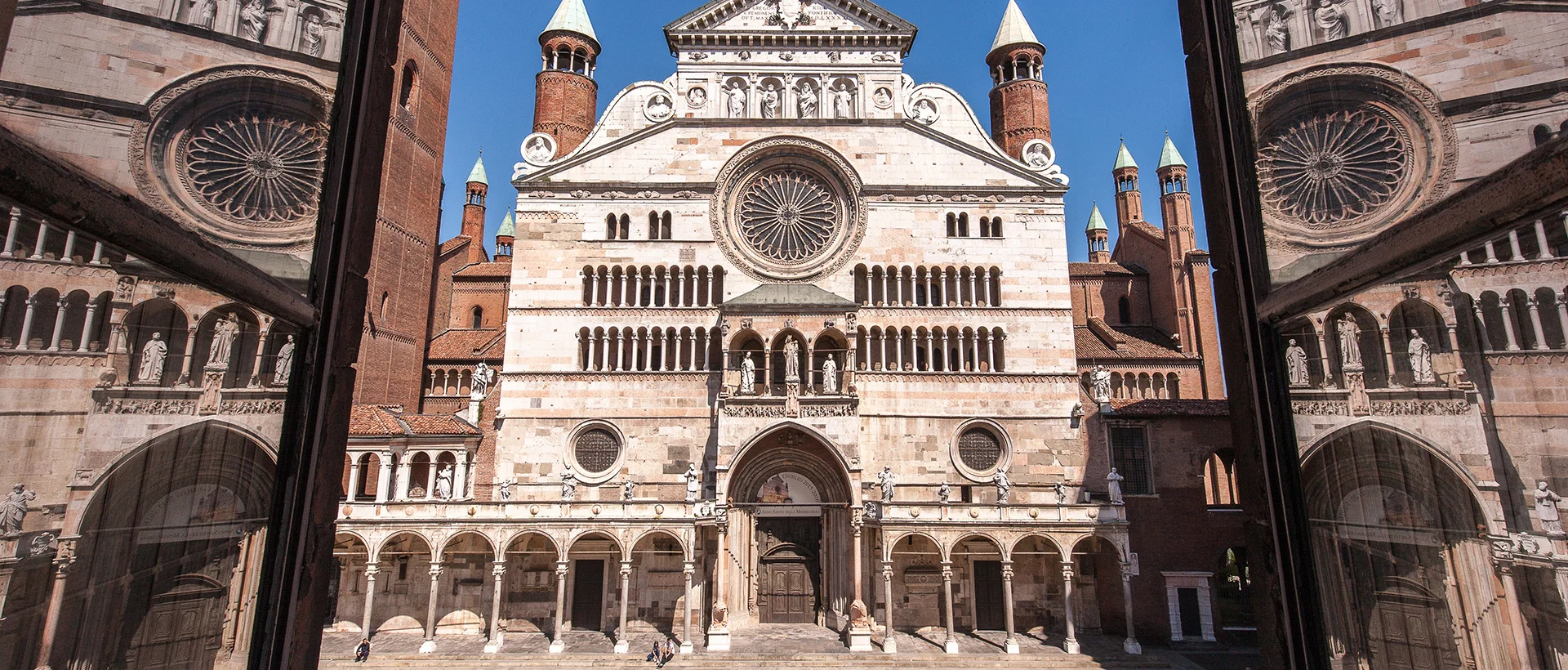
The Cathedral of Cremona was built in the 12th century, beginning in 1185 to be exact, after the destruction wrought by Barbarossa, and is dedicated to Santa Maria Assunta.

The pre-existing Romanesque church was embellished to include a Gothic structure, which makes the Cremona Cathedral one of the most outstanding examples of religious architecture of Northern Italy. Many paintings can also be admired inside.

Its location in Piazza del Comune, the heart of the medieval city, testifies to the profound bond between religious and political power that existed at the time: the fact that the cathedral is located in Cremona's government centre is certainly no coincidence, nor that it shares the square with town hall.

Arena_di_Verona.jpg

UNESCO Arena
Verona

The Verona Arena is a Roman amphitheatre in piazza Bra in Verona, Italy, built in the first century. It is still in use today and is internationally famous for the large-scale opera performances given there. It is one of the best preserved ancient structures of its kind. In ancient times, nearly 30,000 people was the housing capacity of the Arena. Nowadays, for security reasons, the maximum attendance is 15,000 people. It would be used as the closing ceremony if Milan/Cortina d’Ampezzo will be awarded the 2026 Winter Olympics.

The building itself was built in AD 30 on a site which was then beyond the city walls. The ludi (shows and games) staged there were so famous that spectators came from many other places, often far away, to witness them. The amphitheatre could host more than 30,000 spectators in ancient times.

The round façade of the building was originally composed of white and pink limestone from Valpolicella, built after a major earthquake in 1117, which almost completely destroyed the structure's outer ring, except for the so-called "ala" (wing), the stone was quarried for re-use in other buildings. Nevertheless, it impressed medieval visitors to the city, one of whom considered it to have been a labyrinth, without ingress or egress.

 
shutterstock_700247896.jpg

Duomo di Milano
Milan

The construction of the Duomo di Milano initiated in 1386 on the site of the ancient basilicas of Santa Tecla and Santa Maria Maggiore, which were then demolished at a later date. Dedicated to Maria Nascente, the cathedral was commissioned by Gian Galeazzo Visconti and had a dual purpose: the plan was to replace the sites of worship in the heart of Milan with an imposing edifice and it was also intended to celebrate the Visconti Signoria and its ambitious expansion policy.

It is the largest and most complex Gothic building in Italy, made of pink-veined white marble from the Candoglia quarries, in the Val d'Ossola. It is 157 metres in length and covers an area of 11,700 m2. The highest spire measures 108.5 and, in October 1774, the golden 4,16 metre-high statue of the Madonna by the sculptor Giuseppe Perego was placed on its pinnacle.

 
valle-camonica.jpg

UNESCO World Site: Incisioni Rupestri
Valle Camonica

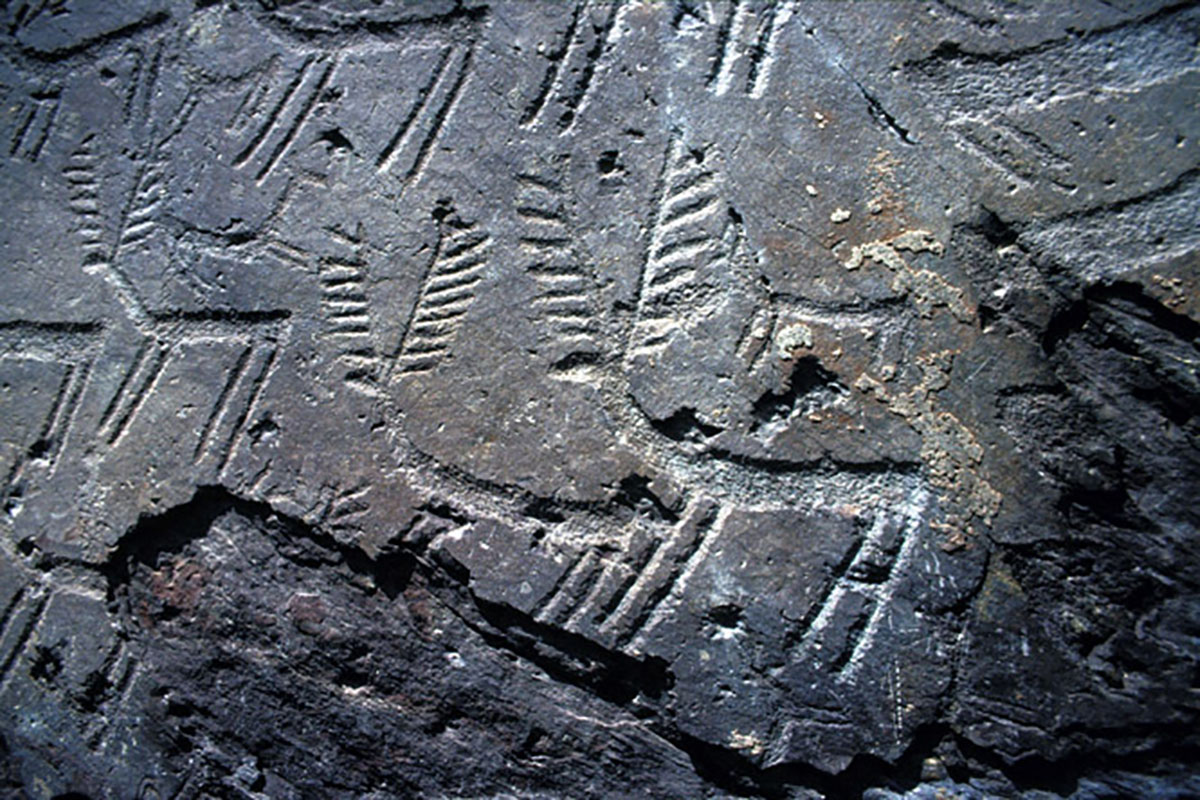
The area extends over 14 hectares of rock art land, a most important section belonging in Camonica Valley’s World Heritage UNESCO site n. 94.

In this park, in a magnificently wooded environment, one can admire as many as 104 engraved rocks, endowed with information panels, divided into 5 easy-to-walk routes for about 3 km. The entire tour of all paths takes at least 4 hours.

On these broad surfaces of glacier-polished, grey-purple sandstone, ancient Valley dwellers made some figures by pecking the rock with stone strikers or, at times, with pointed tools. The rock art chronology in the Park ranges from the Neolithic (5th-4th millennium BCE) and the Iron Age (1st millennium BCE), and there are also engravings from historical times. The best represented period is undoubtedly the Iron Age, when the Valley was inhabited by the Camunni as documented by the Romans.

Local Cuisine & Much More

 
Duecolombe_520.jpg

Le Due Colombe
One Michelin Star

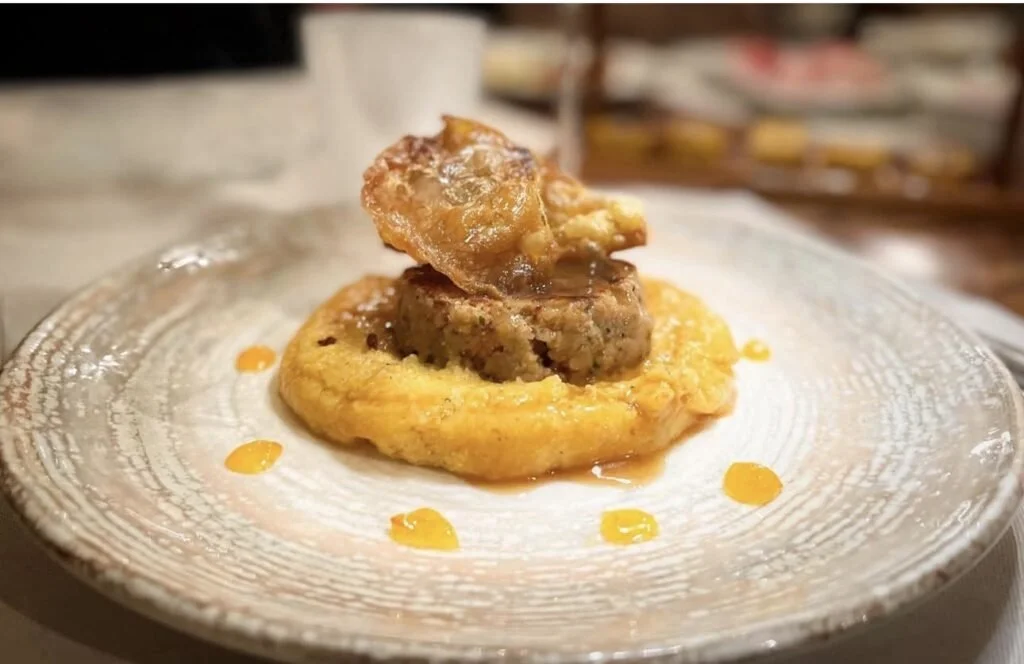
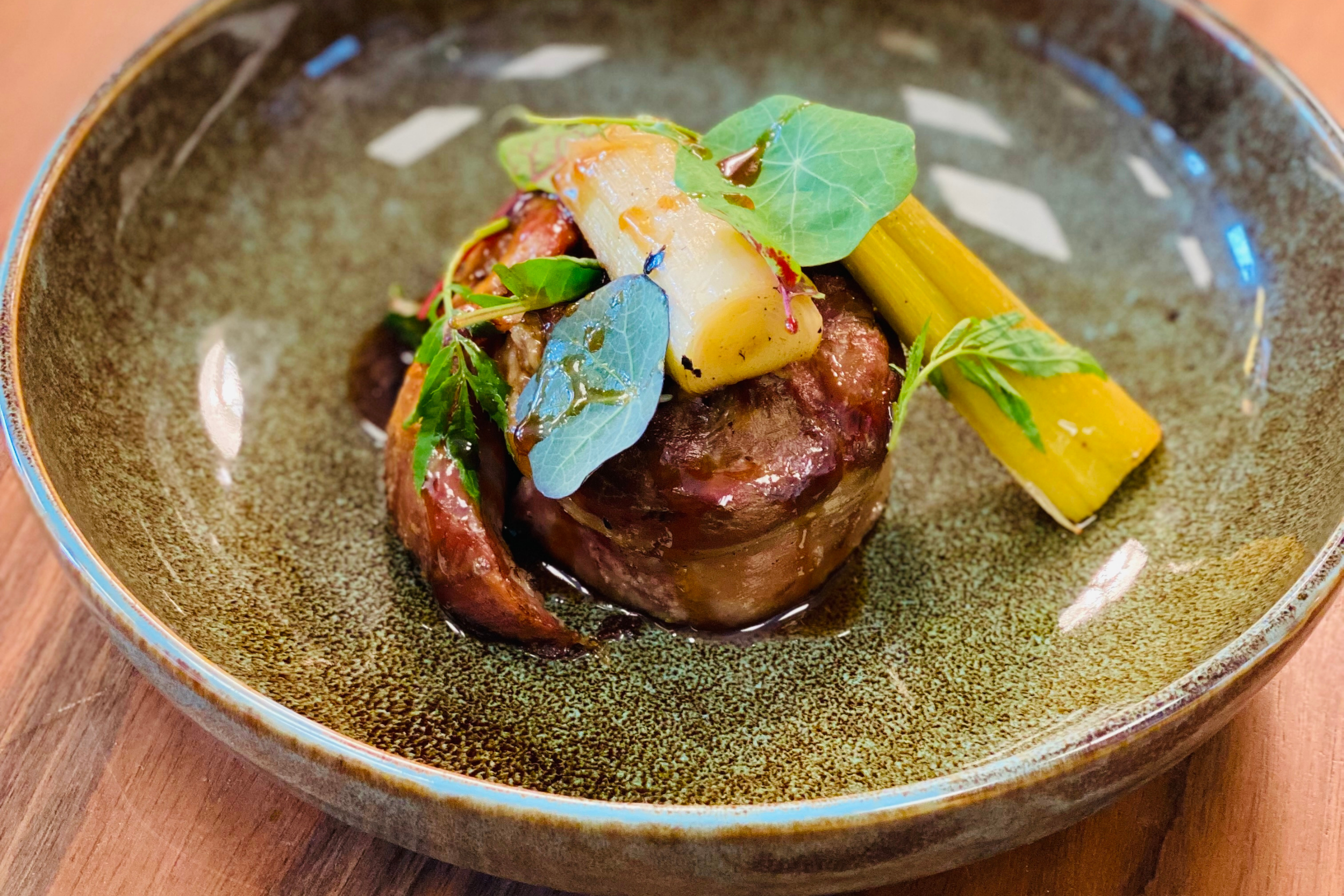
Franciacorta inside an ancient hamlet recently restored, awarded One Michelin Star since 2008. The enviroment, atmosphere and the menù they all have the same central idea: the union between tradition and modernity. Chef Stefano Cerveni gastronomic proposal includes traditional Franciacorta and family recepies together with modern and creative inspirations. 

Chef Stefano Cerveni


Osteria 4 Rose
A Local Gem

Osteria Quattro Rose, which likes to describe itself as a “wine bar with a kitchen,”offers a warm, homely atmosphere reminiscent of one of the town’s oldest traditional trattorias, which has been in operation since the 1800s.

Guests can choose between two indoor dining rooms, one of which features a large fireplace and can accommodate up to 40 people, as well as an elegant summer dining area surrounded by a lush garden.

photo2jpg.jpg

Trattoria del Gallo
Top Local Trattoria

The flavours of the past, the authentic traditions of the region, and the warm hospitality of the host, always ready to share a few words with guests and introduce them to all that Franciacorta has to offer: a land not only of fine wines, but also of selected meats, simple and flavourful dishes, art and culture.

Stepping into “Al Gallo” is always an exciting experience, and sometimes an intriguing one.

 
IMG_1194.jpg

Ristorante Rosa Iseo
High End Restaurant

Excellent food, particularly the fish. Service is very good, with immaculate presentation. The pasta is always piping hot! Fausto, the owner’s son-in-law, is an excellent chef and many local people come to eat in the restaurant even though they aren’t staying in the Rosa Hotel. You need to book up, especially at weekends, as the restaurant is small. Last Friday evening they were turning people away who had just turned up, hoping for a table. Great attention to detail and special diets are no problem. I would strongly recommend this restaurant.


Ristorante Aroma Brescia
Fish, wine & more

The menú includes a selection of fish cruditè, Asian-inspired fusion dishes and traditional local classic dishes. Our dishes enhance the ingredients and aim to satisfy the most demanding palates or those with food allergies or intolerance. Our young Chef is ready to amaze you with a "carte blanc" menu designed according to your taste.


Il Colmetto
Azienda Agricola

Our restaurant in Franciacorta offers a seasonal menu built around three core values: homegrown ingredients, sustainability and conviviality. Every week, we serve the very best that our land has to offer.

You can enjoy different culinary experiences: join us for a leisurely lunch, choose one of our tasting menus, or order your favourite dishes from our weekly à la carte menu. Treat yourself or someone special to lunch or dinner at Colmetto.

img-3.jpg

Dina
High End Restaurant

Dina – the name comes from the chef’s maternal grandmother. Retro and contemporary, elegant yet informal, the restaurant feels like a home where every room has its own soul. Dina can become whatever your heart tells you it is for you.

“For me, food and cooking are something visceral, something that I am passionate about in a way that I can hardly put into words. Cooking, for me, is emotion and joy.”

Chef Alberto Gipponi

 
Screen Shot 2019-04-14 at 11.10.27.png

Cadebasi
Contemporary Restaurant

A modern take on the concept restaurant, in the heart of Franciacorta. Restaurant, mixology bar and wine shop, Cadebasi has aimed from the very beginning to offer a new approach to dining. A restaurant and cocktail bar with a cutting-edge menu that is constantly evolving, featuring refined flavours in an elegant and harmonious combination of Italian tradition and ethnic influences.

 
ristorante-canogola.jpg

Locanda Canogola
Monte Isola Trattoria

Our cuisine is based on freshwater fish from the local lakes and regional produce.

The starters include the typical Monte Isola salami, our homemade preserves in oil, marinated fish fillets, trout and pike in sauce, marinated agoni, and the traditional dried sardine served with polenta.

Our first courses include pumpkin gnocchi and ravioli, while for the main courses we offer grilled freshwater fish cooked over a wood fire and golden, fried perch fillets.

For ferry departure times, please contact us or visit www.navigazionelagoiseo.it.


Ristorante la Foresta
Lake fish and more

La Foresta was opened in 1974, when Montisola, the pearl of Sebino, has not yet become a tourist destination of Lake Iseo. The restaurant is located on the panoramic road that connects the village of Peschiera Maraglio to the small village of Sensole and where, walking among the olive trees, you can admire the solitary beauty of the islet of San Paolo.

Closing day Wednesday, open from March to December 20 (reservations are recommended).

Per gli orari di imbarco potete contattarci o visitare il sito www.navigazionelagoiseo.it


Vivilo Franciacorta
High End Restaurant

The entire property is enveloped in a relaxing and welcoming atmosphere, where stone and wood seem to create a natural connection with the surrounding landscape.

The restaurant dining room on the upper floor offers stunning views over the vineyard, the symbol of this special place, while on the ground floor, the spacious courtyard provides the perfect setting for moments of relaxation.

Miramonti l’Altro
Two Michelin Stars

French by birth and as much in love with Italy as he is with cuisine, which by definition knows no borders other than those of taste. Versatile and constantly seeking new experiences and inspiration, he has a particular passion for fish, a true treasure of his homeland. In the Brescia valleys, he found the perfect setting to put down roots and develop his own culinary vision.

Chef Philippe Léveillé.

 
Screen Shot 2019-04-14 at 11.29.29.png

Osteria della Villetta
Typical Trattoria

The cuisine at our osteria is inspired by our family’s traditional recipes, with dishes based on the seasonality of the ingredients. Most of our vegetables come from our own vegetable garden in the hills of Franciacorta, or from the Ventighe farm, located in our neighbourhood.

Our cuisine also embraces products from Slow Food Presidia. The fish we serve comes exclusively from the lakes of the Brescia area, while our meat is sourced from local butchers in Brescia.

All our desserts are homemade. Of particular significance to us is the LOVE DIFFERENCE ice cream, born from an idea by Michelangelo Pistoletto.

Maurizio e Grazia

 
ristorante-trattoria-genuisì-coccaglio-brescia-posticini-rustico-risotto-tartufo_0022.jpg

Genuisì
Typical Trattoria

Trattoria Genuisì enjoys a privileged location in the heart of Monte Orfano, precisely where nature has shaped a ridge resembling the form of a saddle. From here, the panorama is truly unique.

Among the many dishes on offer are Barbariga casoncelli, pumpkin ravioli and delicate risottos, followed by meats and fillets cooked over an open fire.

The selection of cheeses also reflects the authentic traditions of Lombardy and Piedmont, including Taleggio DOP and the exceptional cheeses from Roccaverano.

 
Malo 2_820.png

Al Maló
Cucina e Miscelazione

Its name says it all: in a land of traditional osterias, historic restaurants and wineries, a contemporary hybrid has emerged, with a distinctly urban feel, where mixology meets a casual yet refined culinary offering.


Come una Volta
Traditional Cuisine

Come una Volta is a restaurant with a warm and welcoming atmosphere, where you immediately feel at home. It is located in the centre of Rovato, right in the heart of Franciacorta, where good wine and good food are the true stars of the table.


Ristorante Classico
Restaurant in historical palace

Ristorante Classico is a little corner of paradise for lovers of traditional Italian cuisine, surrounded by the magical atmosphere of one of the most beautiful 17th-century villages in the Brescia area.

Here, you will find an elegant and beautifully appointed setting, combined with the warmth, courtesy and professionalism of our staff.

Whether you are looking for an intimate dinner or a family lunch, Classico offers the perfect menu for every occasion, ready to delight even the most discerning palates with meat dishes and recipes featuring the freshest fish.

We hope you found all the information you were looking for.

If not, please do not hesitate to email us directly at hospitality@biondelli.com

Thank You